
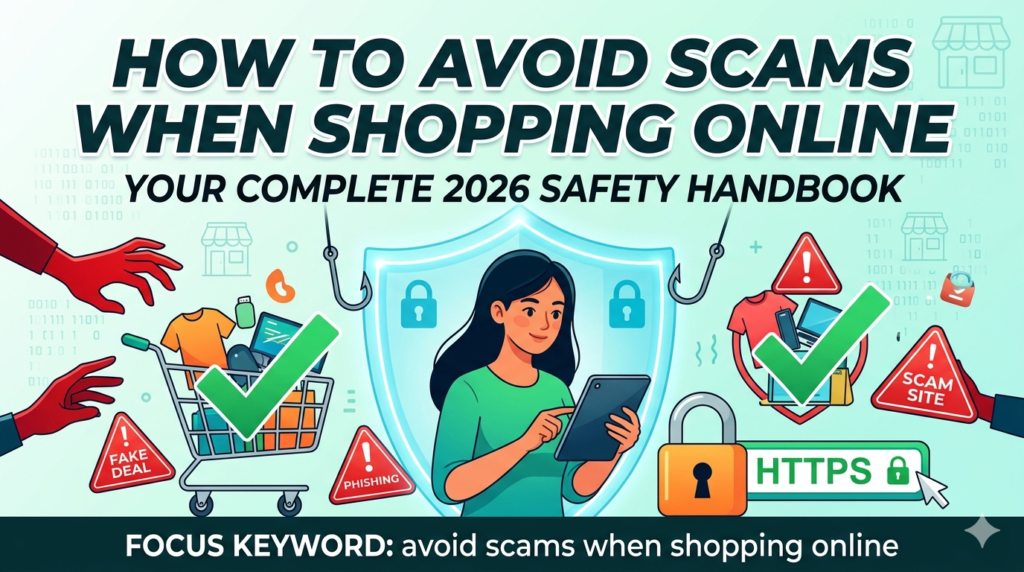
Online shopping delivers incredible convenience at your fingertips, yet it also creates opportunities for increasingly clever fraudsters. As we move through 2026, digital threats have evolved with new technologies, making it essential to stay ahead. Learning how to avoid scams when shopping online isn’t just helpful—it’s necessary for safeguarding your finances and personal data.
This in-depth guide offers fresh, practical insights designed specifically to help you navigate today’s e-commerce landscape with confidence. We’ll explore emerging risks and equip you with actionable steps that go beyond basic warnings.
The Growing Challenge of Digital Fraud in E-Commerce
The explosion of online retail has brought convenience but also sophisticated criminal operations. Fraudsters now leverage artificial intelligence to create convincing fake reviews, generate realistic phishing messages, and build websites that are nearly indistinguishable from legitimate ones.
Common triggers include holiday rushes, limited-time flash sales, and targeted social media promotions. By understanding these dynamics, you build a strong foundation for safer purchasing decisions.
Emerging Scam Patterns You Need to Recognize
Staying informed about current tactics is key to mastering how to avoid scams when shopping online:
- Hyper-Realistic Replica Sites: Fraudulent stores that mirror major retailers using similar logos, layouts, and even customer service chatbots.
- Social Commerce Traps: Deceptive ads on platforms like Instagram, TikTok, and Facebook Marketplace promise exclusive discounts.
- Non-Delivery or Counterfeit Schemes: Products that never arrive or arrive as cheap imitations of premium brands.
- Urgent Payment Requests: Demands for unconventional methods like cryptocurrency, gift cards, or peer-to-peer transfers.
- Phishing via Delivery Alerts: Fake notifications claiming issues with shipments to harvest personal information.
- AI-Powered Review Manipulation: Floods of synthetic positive feedback designed to build false trust.
Spotting these patterns early significantly reduces your risk.
Essential Strategies to Avoid Scams When Shopping Online
Here’s a comprehensive set of original tactics tailored for today’s environment:
1. Build Secure Shopping Routines from the Start
Always navigate to familiar retailers by typing the full web address yourself rather than following external links. Create a personal list of trusted vendors and access them directly through bookmarks or official apps. For new merchants, cross-reference their legitimacy across multiple independent platforms.
2. Master Website Verification Techniques
Look beyond the basic padlock icon. Examine domain names carefully for subtle alterations, check contact information for real-world consistency, and review the site’s privacy policy depth. Tools like domain age checkers can reveal newly created suspicious sites.
3. Evaluate Deals with Healthy Skepticism
Extraordinary discounts on high-demand items often signal trouble. Compare prices across several established platforms before committing. Genuine promotions rarely require immediate decisions or limited stock pressure.
4. Choose Payment Methods That Offer Strong Protection
Credit cards remain one of the smartest choices due to built-in dispute processes. Virtual card numbers and services that generate temporary details add extra layers of security. Steer clear of methods with limited recourse, such as direct bank transfers or digital currencies for unknown sellers.
5. Strengthen Account Security Layers
Implement complex, unique passwords managed through reputable tools. Activate two-factor or multi-factor authentication everywhere possible. Regularly scan devices for malware and keep all software current to block exploitation attempts.
6. Navigate Social Media and Influencer Promotions Carefully
Treat flashy ads and sponsored content with caution. Verify claims by visiting official brand channels independently. Be especially wary of “limited opportunity” messages coming from recently created accounts.
7. Develop a Pre-Purchase Research Checklist
Search for the seller name combined with terms like “experiences” or “issues” on neutral forums. Examine recent customer feedback for specific details rather than generic praise. Legitimate businesses usually have transparent return policies and responsive support channels.
8. Protect Your Connections and Devices
Avoid conducting transactions over public networks. When necessary, route activity through trusted virtual private networks. Use browser features that block tracking and malicious scripts for enhanced privacy.
9. Handle Communications Wisely
Never respond to unexpected requests for information or payments. Contact companies through verified channels found on their official sites. Save all order confirmations, tracking details, and correspondence for your records.
10. Adopt Advanced Protective Habits for 2026
- Experiment with privacy-focused browsers or extensions that highlight potential risks.
- Set up automatic alerts for any financial activity.
- Consider identity monitoring services that scan for leaked credentials.
- For international orders, research shipping regulations and potential extra costs thoroughly.
Additional Proactive Measures for Maximum Safety
Review Management: Authentic feedback typically includes varied experiences, photos from real buyers, and specific product mentions. Clusters of identical five-star entries warrant extra scrutiny.
App Security: Stick to official app stores and verify developer credentials. Official retailer applications often include better fraud monitoring than mobile browsers.
Personal Data Discipline: Share only essential information during checkout. Avoid sites requesting excessive details unrelated to the transaction.
Ongoing Monitoring: Make it a habit to review statements promptly. Report irregularities immediately to your financial providers.
Recovery Steps If Something Goes Wrong
Despite best efforts, issues can occasionally arise. Contact your payment provider right away to initiate disputes. Preserve all evidence, including screenshots and emails. File reports with consumer protection agencies and consider reaching out to credit monitoring organizations if broader identity concerns emerge.
Quick action often leads to successful resolutions, especially with credit card transactions.
Building Long-Term Confidence in Online Shopping
Mastering how to avoid scams when shopping online combines knowledge, technology, and mindful habits. By implementing these strategies consistently, you can enjoy the vast selection and competitive prices the internet offers while minimizing unnecessary risks.
Stay curious about new developments in digital security and periodically refresh your protective practices. Share this knowledge with family and friends to create a wider circle of safer shoppers.
The digital marketplace continues to grow, but informed consumers like you remain one step ahead of potential threats.